Bags are sold as investments and behave like fashion. A handful of models keep most of their value, a few rise, and the rest fall away steadily, all under the same logo. If resale matters to you, the useful questions are about a specific model in a specific condition, not about a brand’s reputation.
Demand is per model, not per brand
Brands have hits and misses, and a strong house can produce a bag nobody wants second-hand. Two models from the same maker, sold in the same season at similar prices, can behave completely differently on the used market, because the number of people looking for that particular shape is what sets the price.
That number shifts. A model can be everywhere in one year and forgotten in three, and the shift is often driven by supply rather than by taste: once a brand increases production, the second-hand premium evaporates even though nothing about the bag changed.
Before buying anything with resale in mind, look at actual recent sales of the exact model, size, colour and material — not asking prices, and not a general index. A price index tells you the direction of a category. It cannot value the bag in your wardrobe.
Condition: where most of the value goes
Condition is the largest single factor and the easiest to assess honestly.
- Corners and base. Rubbing at the bottom corners is the first visible wear, and on coated canvas it cannot be repaired, only hidden. On leather, worn corners can be refinished but the grain rarely comes back.
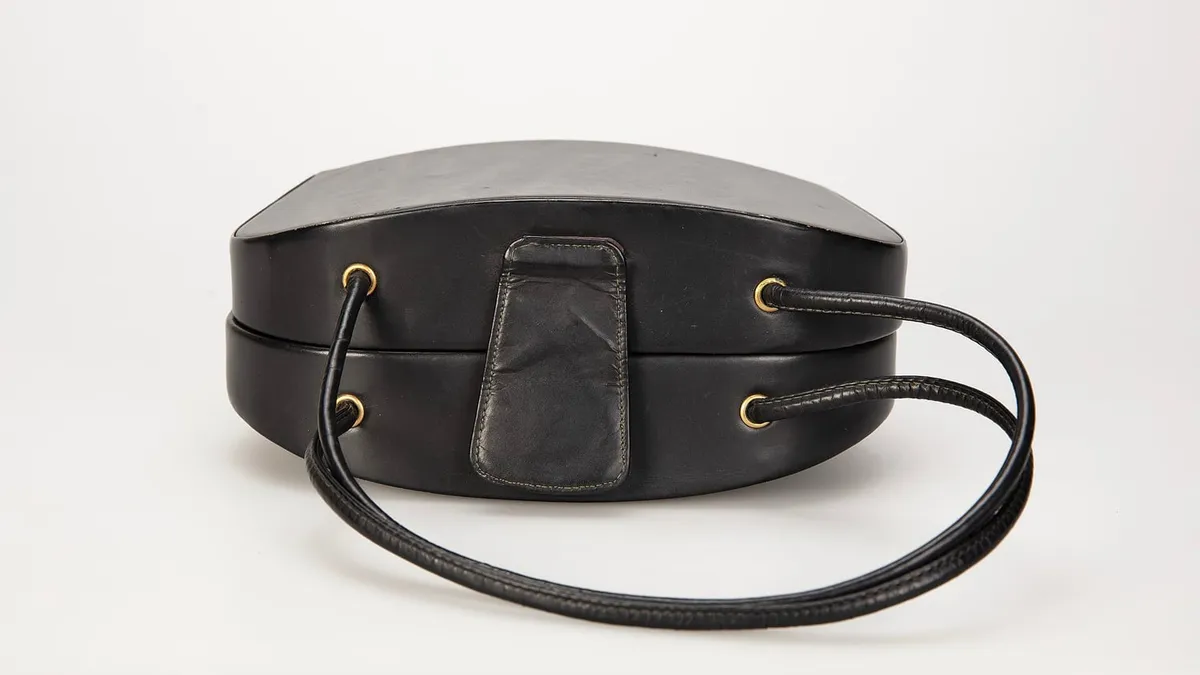
- Handles and straps. Cracked, darkened or stretched handles are expensive to replace, and a replacement set may not match the bag’s age. Check the attachment points for cracking where the leather flexes.
- Glazing and edge paint. If the edge paint is lifting, water can get into the leather structure. It is repairable, but only by someone who does it properly.
- Interior. Ink marks, odour, and torn linings are the items buyers discount hardest, because odour cannot be cleaned out reliably and a loose lining is difficult to fix invisibly.
- Hardware and plating. Faded, flaking or pitted plating is visible from across a room. Solid brass wears well; plated zinc does not, and the clasp and strap tips wear first.
- Shape. A structured bag that has collapsed, or a slouchy bag whose leather has dried stiff, tells you how it was stored.
Odour deserves special mention. Smoke, mildew, perfume and pet smells are all extremely difficult to remove from a lined bag, and buyers know it. A bag that smells is worth less than the same bag with a visible scratch.
Completeness and records
Box, dust bag, receipt and any cards are not proof of anything, but they make a sale easier and support the price. Keep everything from the start; the cost of doing so is a cupboard shelf. A receipt showing where and when it was bought is the single most useful document, and a record of any repair by the maker is a close second.
Two complete sets of the same bag will not sell for the same money, but incomplete sets consistently sell for less and take longer to move.
Material, colour and size
Classic, neutral colours have the widest second-hand audience. Seasonal colours and unusual finishes can be desirable, but the pool of buyers is smaller, so selling takes longer and offers arrive lower. Neutral does not mean boring; it means liquid.
Size behaves the same way. Very small and very large bags have narrower markets than the middle. Exotic skins add complication: fewer buyers, higher authentication scrutiny, and in some cases paperwork requirements for cross-border sale, which is a problem you do not want to discover at the courier desk.
Coated canvas and leather age differently. Coated canvas resists water but cannot be repaired or refinished when it scuffs or peels, and older coated canvas can develop a sticky or flaking lining. Leather can be conditioned and repaired, which gives it a longer life but also means condition must be judged more carefully.
Scarcity, real and manufactured
Not everything hard to buy is rare. Brands can throttle supply to a boutique at any time, which produces waiting lists and a resale premium that disappears when the throttling stops. Limited editions fail in exactly the same way when nobody wants them.
Ask what makes this particular bag scarce: a discontinued shape with established demand, a genuinely short production run, or a release schedule. Only the first is durable. If a model is still in production and simply allocated, its second-hand price is a function of the brand’s distribution decisions, which are not yours to control.
Does it need to be repairable?
A bag with no repair route loses value faster, because buyers price in the risk that the next problem is terminal. Ask whether the maker still services this model, whether hardware can be replaced, and whether a local leather repairer will work on it. Some houses restrict repairs to items bought by the original owner and refuse to touch work done elsewhere, which is a fact worth knowing before you buy, not after.
If you are selling
Get the bag clean and photographed in daylight, describe the condition precisely including the flaws, and price against recent sales rather than against what you paid. Platform commissions and authentication fees take a real share of the sale price, and a fast sale usually means accepting less. Keep the receipt you were given when you bought it and pass the paperwork on; it makes your listing easier to trust.
The honest conclusion
Nothing about a bag is guaranteed to hold value. The market repriced plenty of previously safe models when supply rose or taste moved, and it can do so again. Buy the bag you will use, keep it in the condition that makes it easy to maintain, and treat resale as a pleasant outcome rather than the plan.